Lab-Grown Diamond Engagement Rings: The Modern Bride’s Guide To Eco-Friendly And Beautiful Choices
Have you ever wondered about the difference between lab-grown diamonds and those mined from the earth? As you’re looking for the perfect engagement ring, it’s essential to understand the choices available and what they mean for you and your future spouse. Choosing a ring is a deeply personal journey, and opting for a lab-grown diamond can reflect your values of sustainability and beauty.
Understanding Lab-Grown Diamonds
When it comes to diamonds, many still believe that the only “real” diamonds are those that come from deep within the Earth. However, lab-grown diamonds offer a beautiful, ethical alternative. They are chemically, physically, and optically identical to their natural counterparts, which makes them a fantastic choice for engagement rings.
The Science Behind Lab-Grown Diamonds
Lab-grown diamonds, often called synthetic or cultured diamonds, are created using two primary methods: High Pressure High Temperature (HPHT) and Chemical Vapor Deposition (CVD).
-
High Pressure High Temperature (HPHT): This method mimics the natural process that creates diamonds. It involves subjecting carbon to extreme heat and pressure, resulting in the formation of diamonds within a lab setting.
-
Chemical Vapor Deposition (CVD): In this process, a diamond seed crystal is placed in a chamber filled with carbon-rich gas. The gas is heated to create plasma, which allows carbon atoms to deposit onto the seed, gradually building a diamond.
Both methods result in stunning diamonds that can be cut, polished, and crafted into beautiful jewelry pieces.
Why Choose a Lab-Grown Diamond?
Opting for a lab-grown diamond can be a conscious decision that aligns with your values. Here are a few key reasons why a lab-grown diamond engagement ring may be the perfect choice for you:
-
Ethical Production: Lab-grown diamonds are created in controlled environments, free from the ethical concerns surrounding diamond mining, such as environmental degradation and human rights violations.
-
Environmental Impact: Research suggests that lab-grown diamonds can have a significantly lower environmental impact compared to their mined counterparts. The mining process consumes a tremendous amount of energy, damaging ecosystems and contributing to carbon emissions.
-
Cost-Effectiveness: Generally, lab-grown diamonds can cost 20-40% less than mined diamonds. This allows you to maximize your budget without sacrificing size or quality, giving you more freedom in choosing the perfect ring.
-
Quality and Purity: Lab-grown diamonds are often more perfect than their mined counterparts, as they are produced in secure lab environments with controlled conditions. They are less likely to include the flaws or inclusions found in many natural diamonds.
The Beauty of Lab-Grown Diamond Engagement Rings
You might be wondering if lab-grown diamonds have the same beauty and brilliance as natural diamonds. The answer is a resounding yes! Lab-grown diamonds come in various shapes, sizes, and styles, allowing you to find the perfect ring for your unique taste.
Popular Diamond Shapes
Choosing the right diamond shape is essential to finding a ring that matches your personal style. Here are some popular shapes that you might consider:
-
Round Cut: Known for its timeless elegance, the round cut is the most popular diamond shape, offering maximum brilliance and sparkle.
-
Princess Cut: This square-shaped diamond is both modern and stylish, making it a favorite among contemporary brides.
-
Emerald Cut: Featuring step-cut facets, this rectangular diamond shape exudes art deco elegance and showcases clarity beautifully.
-
Cushion Cut: With its vintage charm, the cushion cut combines a square shape with rounded corners, offering a unique look.
-
Oval Cut: An elongated shape that creates an illusion of larger size, the oval cut is both graceful and classic.
-
Pear Cut: This unique teardrop shape embodies a romantic feel and is excellent for those who want something a bit different.
Ring Settings to Complement Your Lab-Grown Diamond
After choosing a diamond shape, you’ll want to consider the type of ring setting. The setting showcases the diamond while providing security and style. Here are some popular settings for lab-grown diamond engagement rings:
Solitaire Setting
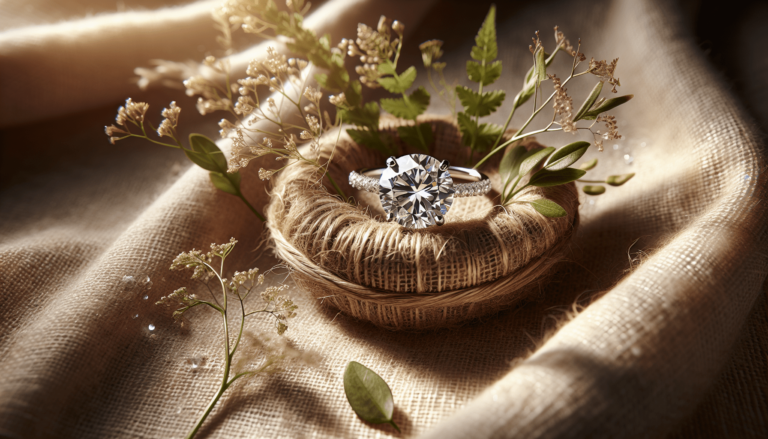
The solitaire setting highlights a single diamond, allowing it to take center stage. This classic choice is perfect for showcasing your lab-grown diamond’s brilliance without distractions.
Halo Setting
In the halo setting, a center diamond is surrounded by smaller stones, which enhances the overall sparkle and appearance. This setting is great for adding extra visual impact.
Three-Stone Setting
A three-stone setting symbolizes the past, present, and future of your relationship. It often features a larger center diamond flanked by two smaller stones, making it an elegant and meaningful choice.
Vintage Setting
For those drawn to unique designs, vintage settings offer intricate details inspired by past eras. This style often includes filigree and milgrain, giving a romantic and timeless feel.
Customization Options
One of the beautiful things about lab-grown diamond engagement rings is the ability to personalize your ring. Many jewelers offer customization services, allowing you to select the diamond’s shape, carat weight, ring setting, and even the metal (gold, platinum, or rose gold) used for the band.
Creating a unique piece of jewelry that represents your love story makes the ring even more special.

The Process of Choosing Your Engagement Ring
Finding the ideal lab-grown diamond engagement ring can feel overwhelming. But with a bit of guidance, the process can be enjoyable and stress-free.
Determine Your Budget
Start by establishing a budget that reflects your financial situation. Lab-grown diamonds can provide an affordable option that allows you to prioritize what really matters. This way, you can focus on finding the right ring style without breaking the bank.
Research Jewelers
Look for reputable jewelers specializing in lab-grown diamonds. Read reviews and compare prices, styles, and warranties to find a jeweler that aligns with your needs. Many jewelers now offer an online presence, making it easier to shop from the comfort of your home.
Educate Yourself on the 4 Cs
Understanding the 4 Cs of diamonds—Cut, Color, Clarity, and Carat—will help you make an informed decision:
-
Cut: This refers to how well the diamond has been shaped and faceted. A well-cut diamond will reflect light beautifully.
-
Color: Lab-grown diamonds come in different colors, from colorless to shades of yellow or brown. The less color present, the higher the value.
-
Clarity: This measures the presence of internal or external flaws. A higher clarity grade means fewer imperfections and greater brilliance.
-
Carat: This indicates the weight of the diamond. While carat weight is essential, remember that a smaller diamond with excellent cut, color, and clarity can be just as stunning.
Try Before You Buy
Once you’ve done your research, it’s time to visit jewelers and try on potential rings. Experiment with different styles, settings, and diamond shapes to see what resonates with you and feels right on your finger.
Make Your Purchase
After narrowing down your choices, the moment of truth arrives: making your purchase. Ensure you receive all necessary certifications that verify the authenticity and quality of the lab-grown diamond.
Caring for Your Lab-Grown Diamond Engagement Ring
Once you’ve chosen and purchased your stunning lab-grown diamond engagement ring, you’ll want to take proper care of it to maintain its brilliance and longevity.
Regular Cleaning
Cleaning your ring regularly is essential for keeping it looking its best. Here are some simple tips:
- Use warm water and mild dish soap, soaking the ring for around 20-30 minutes.
- Gently scrub with a soft toothbrush in hard-to-reach areas.
- Rinse thoroughly and dry with a lint-free cloth.
It’s a good idea to clean your ring every few weeks, and don’t hesitate to make a professional visit to a jeweler for a more in-depth clean every 6-12 months.
Avoiding Damage
To ensure your ring remains in pristine condition, try the following:
- Remove your ring when performing tasks that may expose it to harsh chemicals, extreme temperatures, or physical impacts, such as exercising or cleaning.
- Store your ring separately in a padded jewelry box or pouch to prevent scratches from other jewelry.

The Future of Lab-Grown Diamonds
As you consider your engagement ring, it’s worth thinking about the future of lab-grown diamonds. This industry is rapidly evolving, and more people are recognizing the beauty and benefits of these eco-friendly gems.
Growing Popularity
The popularity of lab-grown diamonds continues to rise, with an increasing number of couples choosing them for engagement rings. As this trend gains momentum, many major retailers are expanding their selections to include more lab-grown options, making it easier than ever for you to find a perfect ring.
Innovations in Technology
Advancements in technology are enhancing the quality and accessibility of lab-grown diamonds. Innovations are leading to greater precision in creating diamonds, ensuring you get a beautiful and high-quality stone that captures the essence of love in a sustainable way.
Conclusion
The journey to find the perfect engagement ring should be filled with joy, passion, and excitement. By considering a lab-grown diamond, you’re not only investing in a beautiful ring but also embracing values of sustainability and ethical responsibility. The choices you make reflect both your style and your beliefs, making your engagement ring a meaningful representation of your love story.
Whether you lean toward classic styles or unique settings, lab-grown diamonds provide a wealth of options tailored to your personal taste. By educating yourself on the different aspects of lab-grown diamonds and understanding what to look for, you’ll feel empowered in your decision.
So go ahead! Take the plunge into this wonderful world of sustainable luxury, and choose a lab-grown diamond engagement ring that perfectly symbolizes your love for each other and your commitment to a better future.
…